

How to connect RV Batteries Guide 12V and 24V
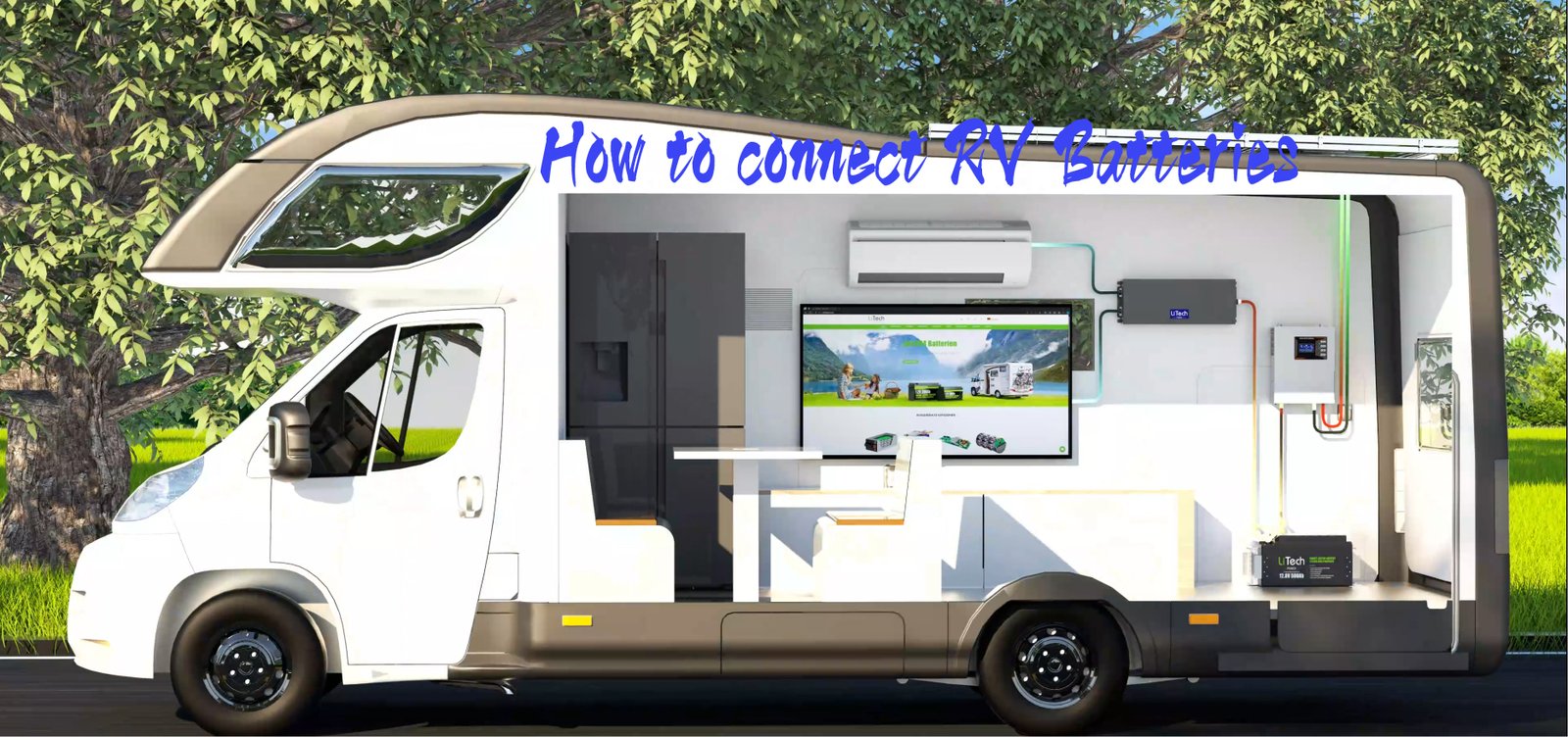 How to connect RV Batteries: A Complete Guide
RV batteries are designed to power essential systems from RV such as lights, fans, refrigerators, water pumps, and other onboard electronics.
Whether you’re replacing old batteries or upgrading to LiFePO4 batteries for better battery performance, this guide will walk you through how to hook up an RV battery(house battery) safely and correctly.
Step 1: Understand Your RV’s Battery System
Most RVs use two battery systems:
- Starter Battery – used to start the engine
- House Battery (Living Battery) – powers RV appliances when off-grid
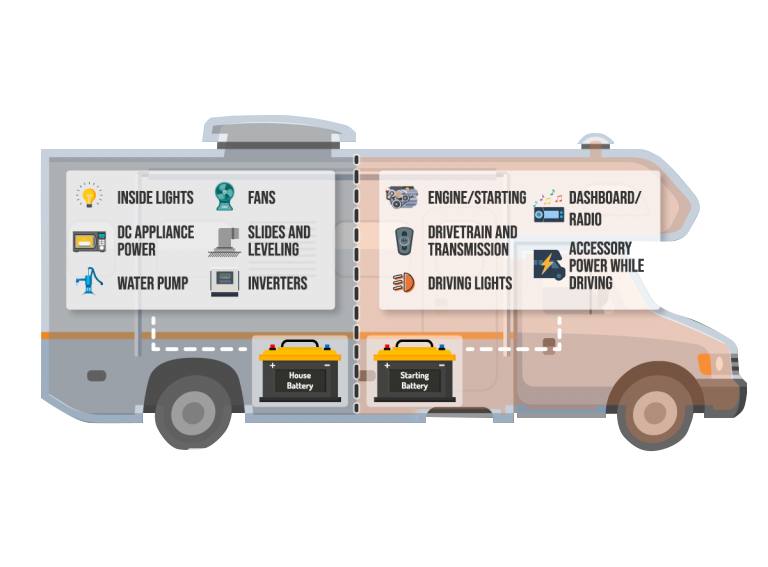
House batteries are usually deep-cycle types, designed to provide steady power and withstand many charge cycles.
Tip ⚠️: Check if your RV uses lead-acid, AGM, or LiFePO4 batteries, since each type has different charging and wiring needs.
Step 2: Choose the Right Battery (Lead-Acid vs LiFePO4)
Common RV battery types:
● Lead-Acid
Low cost, but heavy and shorter charge cycles.
● AGM
Sealed, maintenance-free, and better vibration resistance.
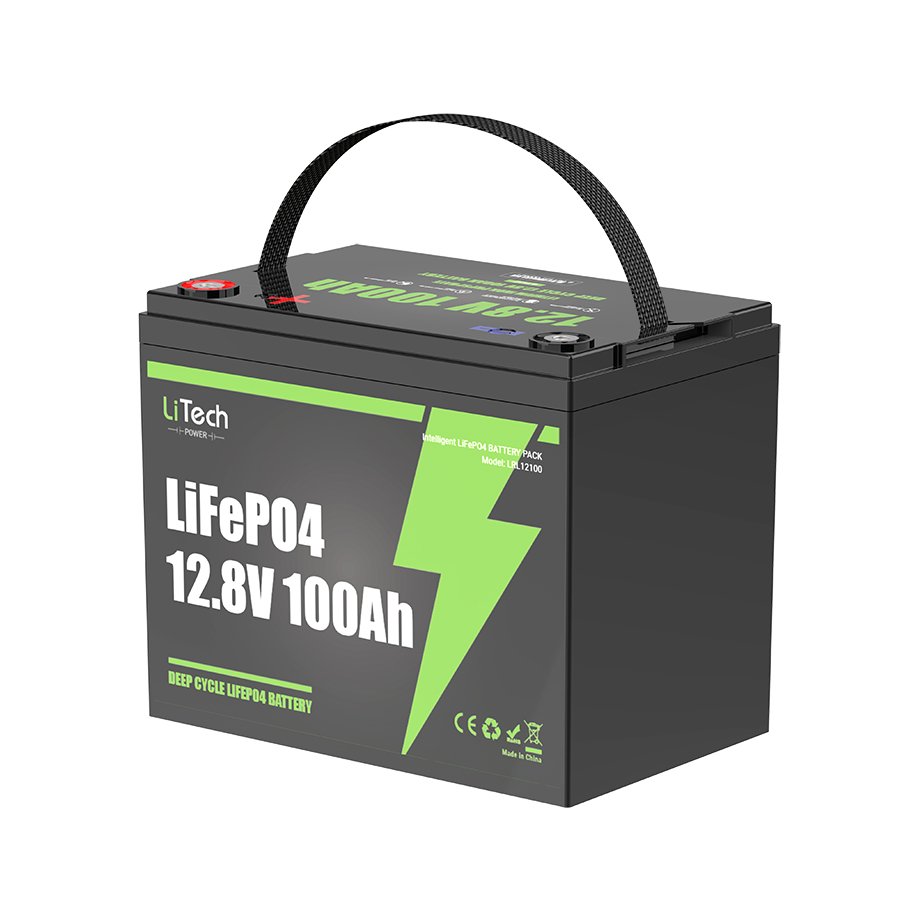
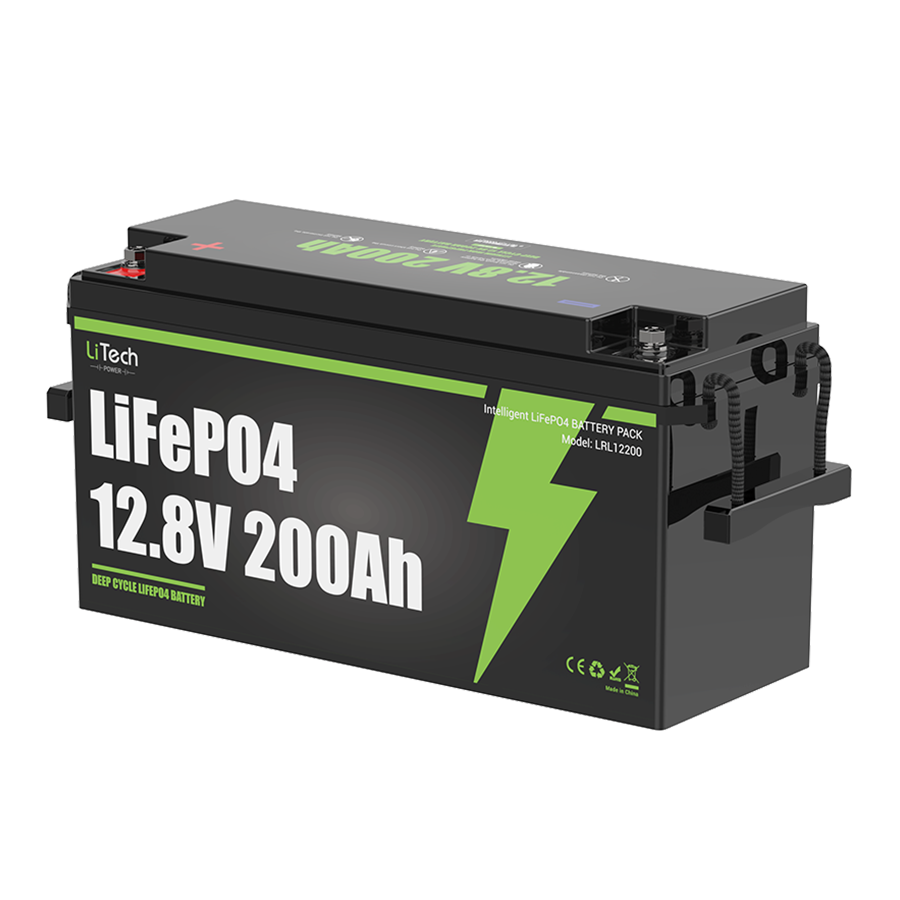
● LiFePO4 Batteries (Recommended)
- Up to 10× longer charge cycles
- Extremely stable chemistry
- Lightweight and high battery performance
- Similar technology is used in electric vehicles.
Tip ⚠️: If upgrading to LiFePO4 batteries, ensure the charger and solar controller are compatible.
Step 3: Tools You’ll Need(before connect RV batteries)
- Battery cables
- Wrenches / socket set
- Multimeter
- Electrical tape
- Terminal connectors
Tip ⚠️: Use properly sized cables—undersized cables reduce battery performance and may overheat.
Step 4: Disconnect All Power Sources
Before touching any wiring, disconnect:
- Shore power
- Generator
- Solar input
- Main battery switch
Tip ⚠️: Never work on live circuits. Turn off all external power when working on how to hook up an RV battery.
How to Hook Up an RV Battery (Series vs Parallel)
Step 5: Connect RV Batteries in Series or Parallel
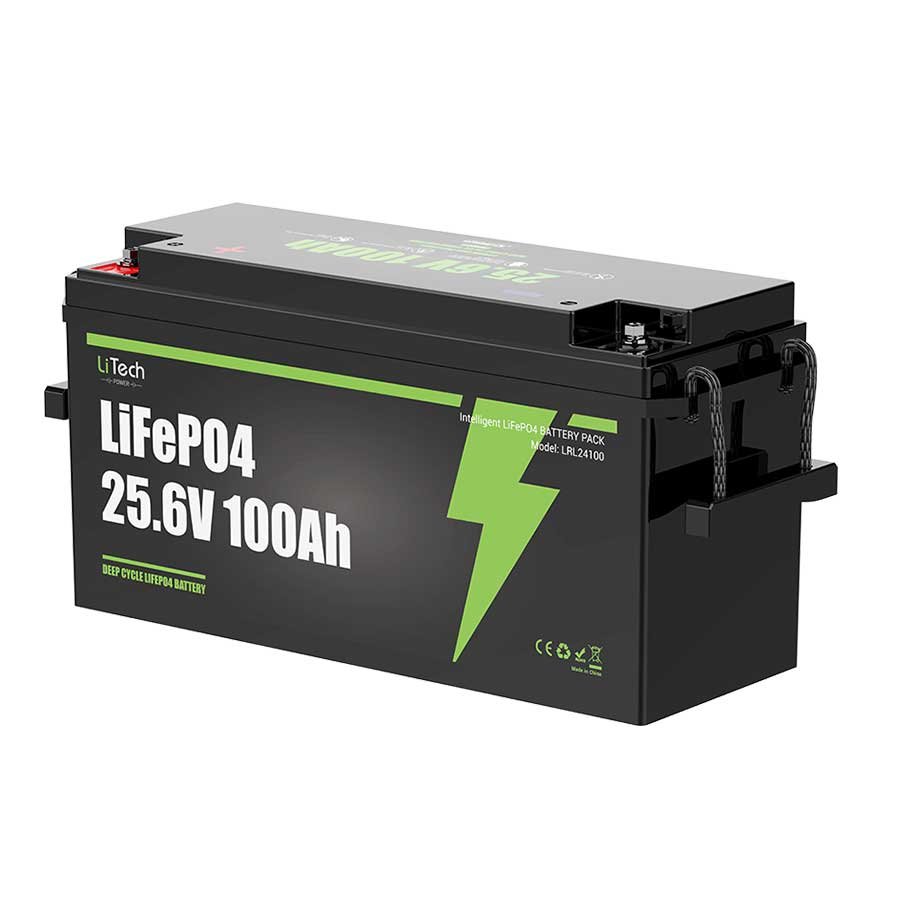
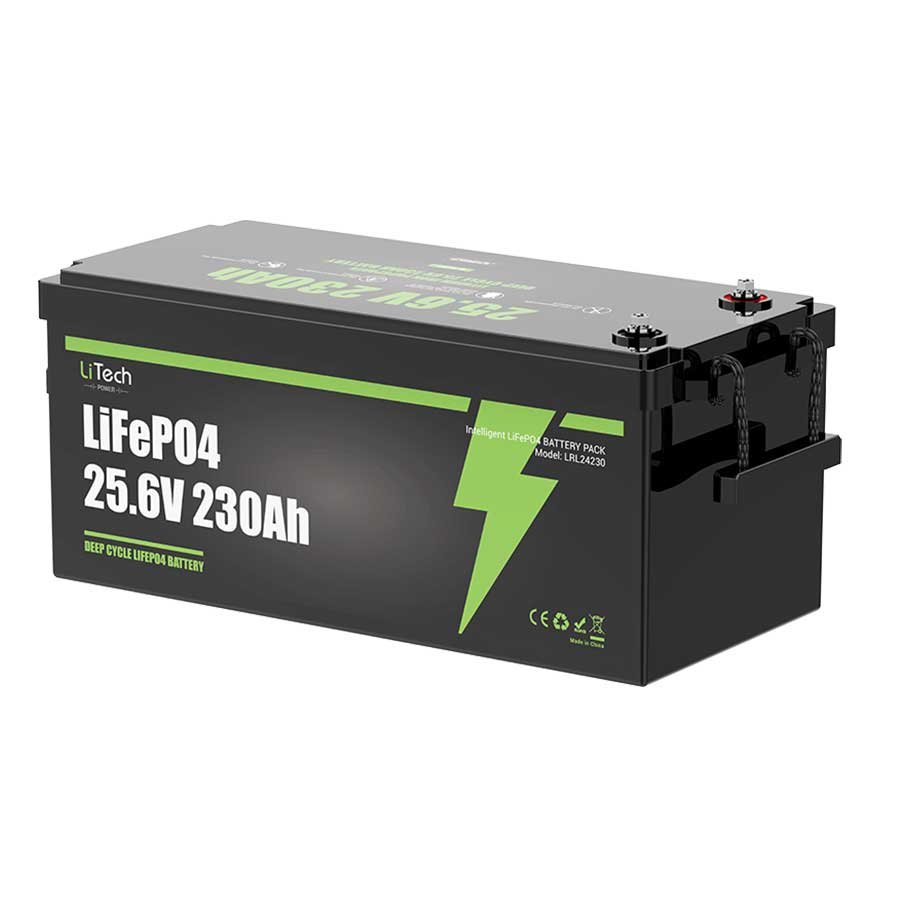
Series Connection (Increase Voltage, e.g., 12V → 24V)
- Positive (+) of Battery 1 → Negative (–) of Battery 2
- Remaining leads connect to RV
Parallel Connection (Keep 12V but Increase Capacity)
- Positive (+) to Positive (+)
- Negative (–) to Negative (–)
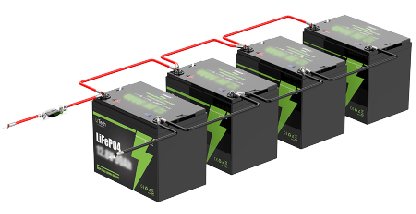
Tip ⚠️: Parallel wiring is most common for RV house batteries.
Step 6: Secure the Batteries
Use straps or brackets so batteries don’t move during driving.
Tip ⚠️: Loose batteries can damage cables and reduce battery performance.
Step 7: Test the Battery System
Use a multimeter to check:
- A healthy 12V battery should read 12.5–13.4V
- LiFePO4 typically shows 13.2–13.4V at rest.
Tip ⚠️: Always verify voltage before turning the system back on.
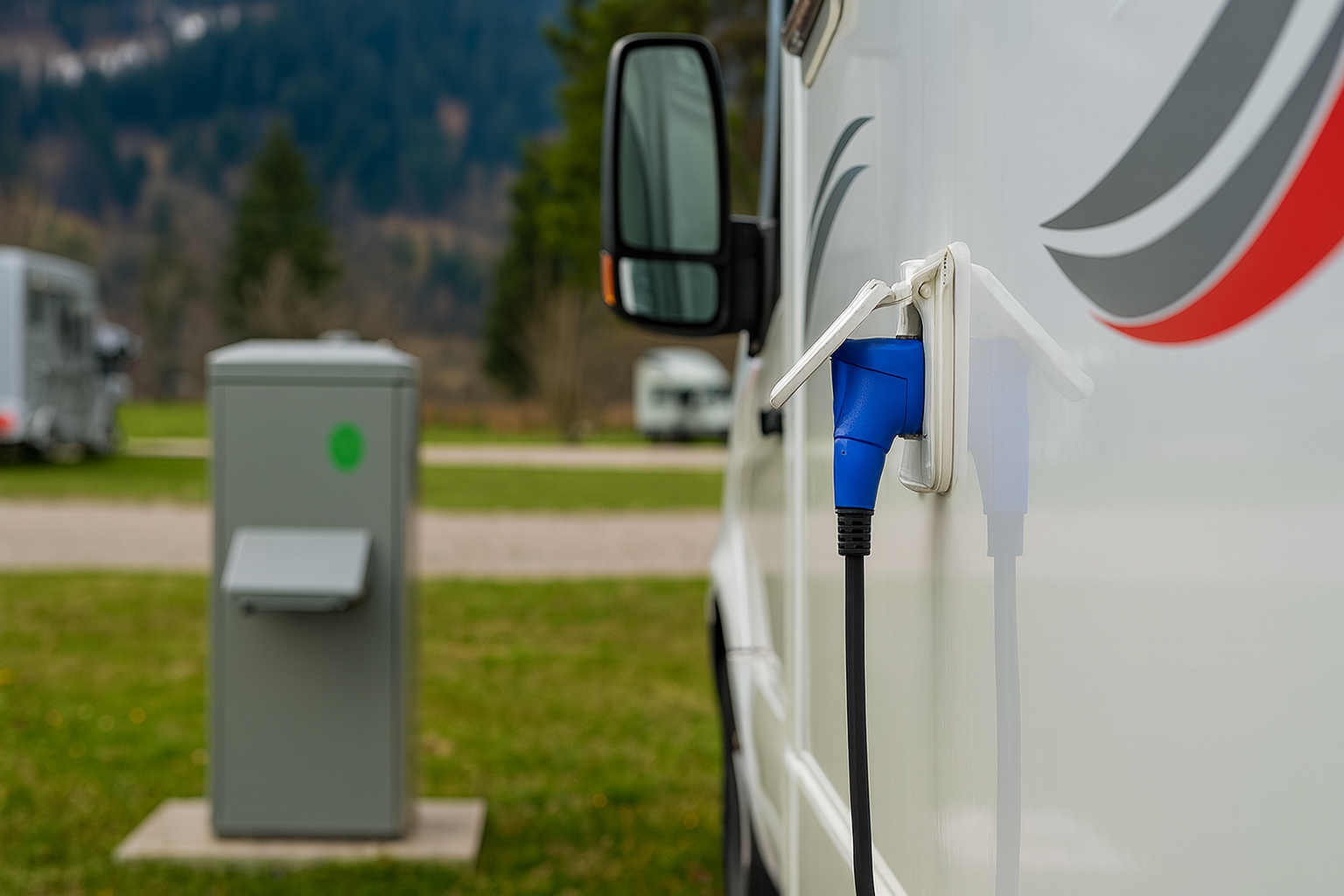 How to Charge an RV Battery? (Important Charging Guide)
Your RV house batteries can be charged in several ways:
1. Charging via Shore Power
When plugged into AC power, your RV converter/charger charges the battery.
Tip ⚠️: Ensure the charger is compatible with LiFePO4 batteries if you upgraded.
2. Charging via Solar Panels
Solar charge controllers regulate the charging to avoid overcharging.
3. Charging via RV Alternator
When the engine runs, the alternator charges the house battery.
Tip ⚠️: LiFePO4 batteries may require a DC-DC charger to avoid alternator overload.
4. Charging via Generator
Useful for off-grid camping and quick recharge.
Maintenance Tips to Extend Battery Life
- Keep terminals clean
- Avoid deep discharging (especially lead-acid)
- For LiFePO4, store at 40–60% if unused for long periods.
- Regularly check voltage and cable tightness.
- Use a proper smart charger to maximize charge cycles.
Conclusion
Whether you’re learning how to connect RV batteries or how to upgrade to LiFePO4 batteries for better battery performance, proper installation and charging are essential for safety and long battery life. RV energy systems are similar to those found in electric vehicles, requiring careful handling and correct charging.
Following this guide helps you confidently wire, maintain, and charge your RV battery for reliable, long-lasting power.
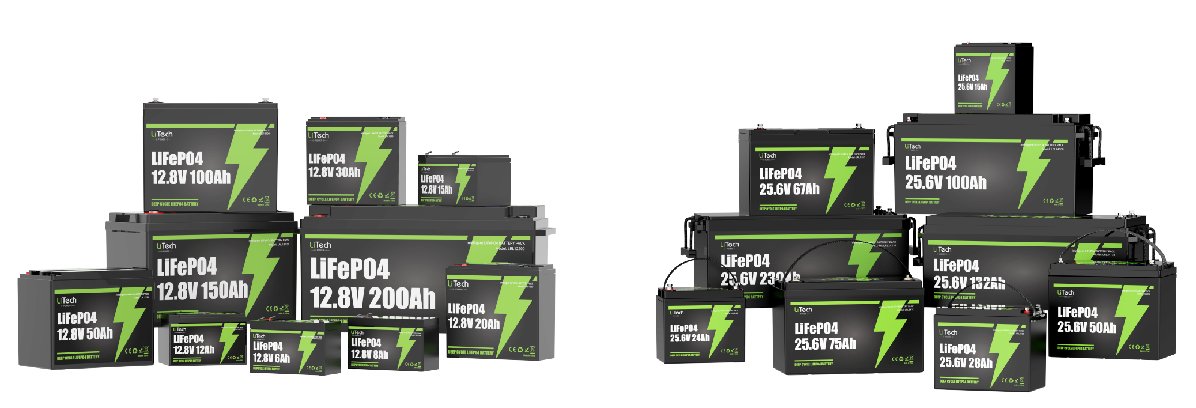 FAQ: RV Battery Installation & Charging
1. How long does an RV battery last?
An RV battery’s lifespan depends on its chemistry and how it’s used.
- Lead-acid batteries typically last 300–500 charge cycles.
- AGM batteries last around 600–800 charge cycles.
- LiFePO4 batteries can last 3,000–5,000+ charge cycles, offering the best long-term battery performance.
2. What type of battery is best for RV house power?
If budget allows, LiFePO4 batteries are the best choice due to high capacity, lightweight design, long cycle life, and excellent safety—similar technology used in electric vehicles.
AGM offers a solid mid-range option, while lead-acid batteries are cheaper but require more maintenance.
AGM offers a solid mid-range option, while lead-acid batteries are cheaper but require more maintenance.
3. How to hook up an RV battery correctly?
You can connect RV batteries in series (to increase voltage) or parallel (to increase capacity).
- Series: Positive → Negative
- Parallel: Positive → Positive, Negative → Negative
Always disconnect power, use the right cable size, and double-check polarity.
If you need the complete guide, see the section above: How to Hook Up an RV Battery.
If you need the complete guide, see the section above: How to Hook Up an RV Battery.
4. How to charge an RV battery?
There are four common methods:
- Shore power via converter/charger
- Solar panels with a charge controller
- Engine alternator while driving
- Generator as backup power
For LiFePO4 batteries, ensure your charger or solar controller is compatible to prevent damage and maximize battery performance.
5. Can I mix different battery types in my RV?
No. Mixing battery types (lead-acid + AGM + LiFePO4) or mixing different ages/capacities will lead to poor performance, uneven charging, and reduced lifespan. Always use identical batteries in the same bank.
6. Do LiFePO4 batteries need a special charger?
Yes. LiFePO4 batteries require a charger designed for lithium charging profiles (typically 14.4–14.6V absorption, no float or reduced float).
Using the wrong charger can reduce charge cycles or trigger BMS cut-off.
Using the wrong charger can reduce charge cycles or trigger BMS cut-off.
7. How do I know if my RV battery is fully charged?
Typical resting voltages:
- Lead-acid / AGM: 12.7–12.8V (full)
- LiFePO4: 13.3–13.4V (full)
A multimeter or battery monitor will give the most accurate reading.
8. Should I disconnect my RV battery when storing the RV?
Yes—especially for lead-acid batteries, which self-discharge quickly.
For LiFePO4 batteries, store them at 40–60% charge for the longest life.
For LiFePO4 batteries, store them at 40–60% charge for the longest life.
9. Why is my RV battery not charging?
Common causes include:
- Blown fuse or tripped breaker
- Faulty converter/charger
- Bad wiring or loose terminals
- Failed alternator charging relay
- For LiFePO4: BMS protection may be activated (low temp, low voltage, etc.)
10. How many batteries does an RV need?
Most RVs use 1–4 house batteries, depending on:
- Power consumption
- Air conditioner or inverter use
- Solar capacity
- Type of battery (LiFePO4 generally requires fewer batteries due to higher usable capacity)