


What Is a Home Battery Energy Storage System – Guide
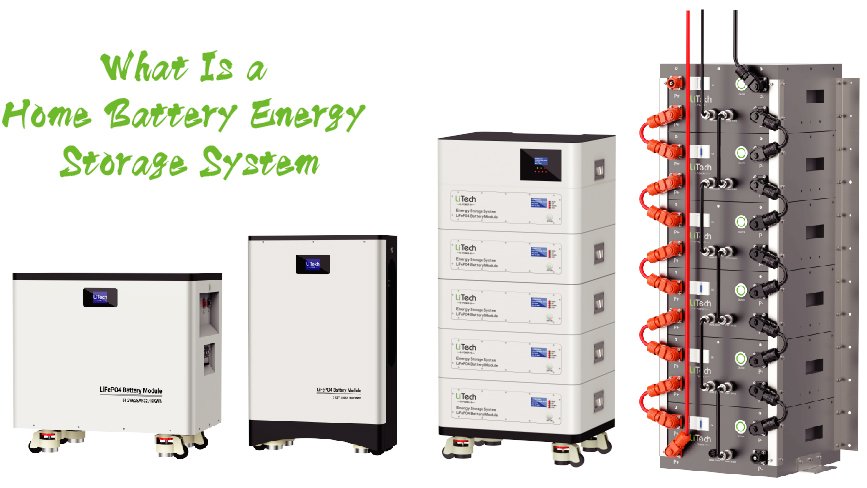
What Is a Home Battery Energy Storage System
How Does It Work?
As solar energy grows in popularity, more homeowners are using Battery Energy Storage Systems (BESS). This helps them get the most from their solar power and achieve energy independence. Let’s explore what a BESS is, how it works, and how to install one safely and efficiently.
1. What Is a Battery Energy Storage System (BESS)?
A Battery Energy Storage System is a device that saves electricity. It can store power from solar panels or the grid for later use. It helps balance the supply and demand for power. This ensures stable energy is available, even without sunlight or grid power.
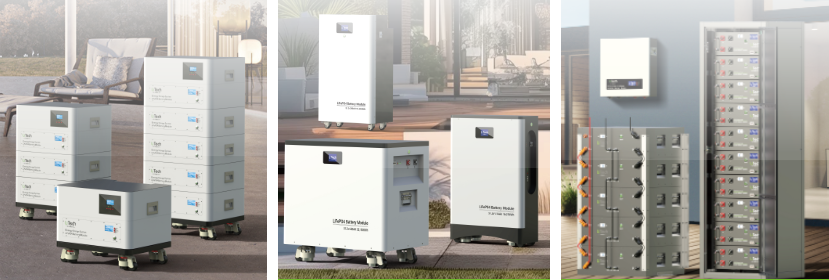
LiTech Power’s home energy storage systems use safe, low-voltage lithium batteries. These batteries are flexible and last a long time. These systems, including battery technology, are ideal for both residential and small commercial applications.
2. How Does a Home Energy Storage System Work?
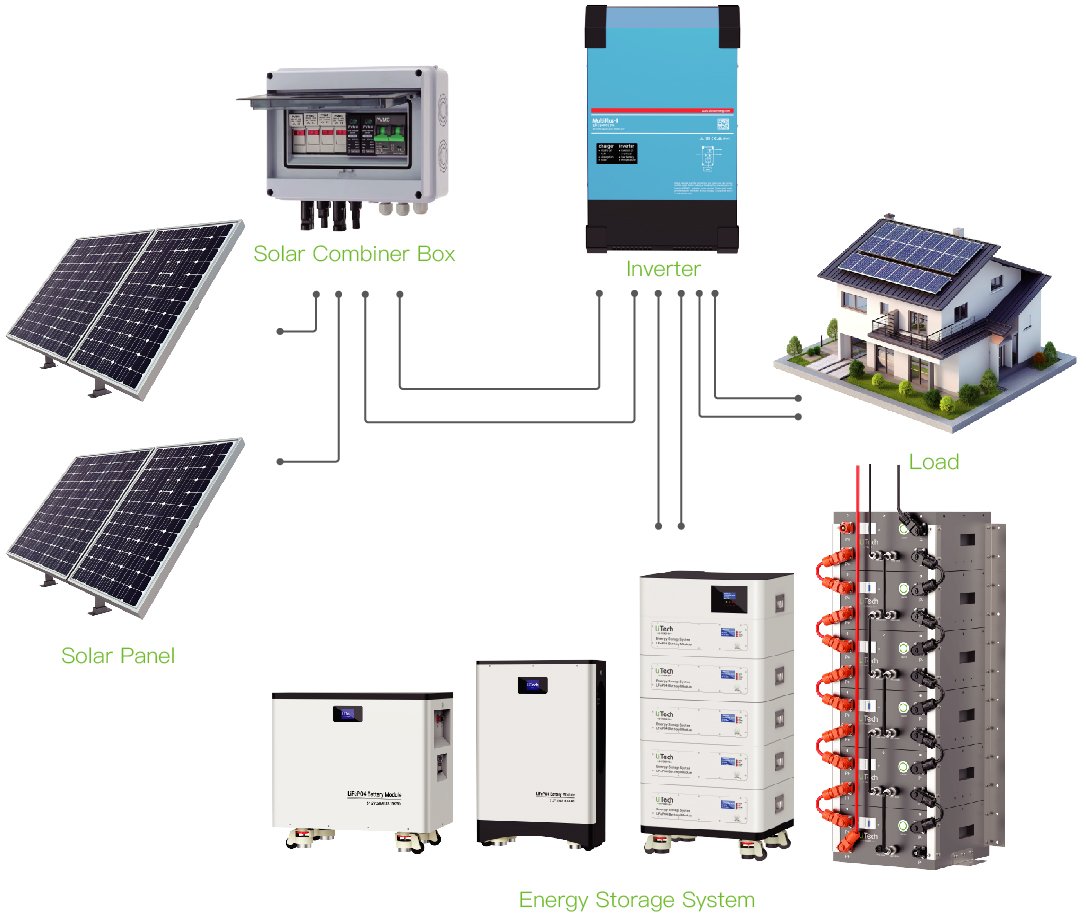
A typical home energy storage setup includes the following components:
- Solar Panels – convert sunlight into direct current (DC) electricity.
- Solar Combiner Box – merges outputs from multiple solar panels and provides circuit protection.
- Inverter – converts DC electricity into alternating current (AC) for home appliances.
- Energy Storage System (Lithium-ion batteries) – stores electricity, stores excess energy generated, during the day for later use.
- Loads (Home Appliances) –supplied with electricity from solar, battery, or grid power.
Operation process:
- During the day, solar panels generate electricity.
- The inverter supplies energy to household loads.
- Any surplus energy charges the LiTech Power battery storage system.
- At night or during a grid outage, the battery discharges to power the home.
LiTech Power’s low-voltage systems are easy to install, modular, and compatible with various inverter brands.
3. Essential Accessories for Installation
When installing a home BESS, several accessories are needed to ensure performance and safety:
- Mounting Brackets or Racks – to secure wall-mounted or floor-standing batteries.
- DC Cables & Connectors – connect the battery, inverter, and solar components.
- Fuses and Circuit Breakers – protect the system against overcurrent and short circuits.
- Solar Combiner Box – integrates multiple PV inputs safely.
- Communication Cables (RS485 / CAN) – enable real-time communication between inverter and battery BMS.
- Grounding Kits – ensure system and user safety.
Each part plays a critical role in the reliability and longevity of the system.
4. How to Install an Energy Storage System
⚠️ Always hire a certified installer or qualified electrician for system installation.
Installing a home energy storage system involves several key steps:
Step 1: Site Inspection and Preparation
- Select a clean, dry, and well-ventilated area.
- Avoid direct sunlight, rain exposure, or locations near heat sources.
- Ensure enough space for maintenance and airflow.
Step 2: Mounting the Battery System
- Install the battery using LiTech Power mounting brackets or racks.
- Make sure you fix it securely on a solid wall or level surface.
- Maintain proper clearance around the unit (usually 10–15 cm on each side).
Step 3: Electrical Connections
- Connect the solar panels to the combiner box.
- Wire the combiner box to the inverter, and then connect the pil paketi to the inverter’s DC input.
- Check polarity carefully (positive and negative terminals).
- Connect the communication cables (CAN/RS485) between inverter and battery BMS.
Step 4: Grounding and Safety Checks
- Properly ground all components.
- Ensure that someone installs the circuit breakers and fuses correctly.
- Inspect insulation, connectors, and cable routing for any damage or loose ends.
Step 5: System Commissioning
- Power on the system following the manufacturer’s sequence.
- Verify communication between the inverter and battery.
- Test charging and discharging functions.
- Confirm that all indicators show normal operation.
Once installed, the LiTech Power system can charge and discharge itself. It also protects itself with the built-in Batarya Yönetim Sistemi (BMS).
5. Benefits of a Home Energy Storage System
- Energy Independence – Use your own solar power anytime.
- Home Backup Protection – Backup power keeps lights and essential loads running during blackouts.
- Reduced Energy Bills – Store cheap energy and use it during peak pricing periods.
- Çevre Dostu – Lower your carbon footprint with renewable energy.
- Flexible & Scalable – Easily expand capacity with LiTech Power’s modular design.
Conclusion
A Battery Energy Storage System is the foundation of a modern, smart, long-term, and sustainable home. LiTech Güç offers low-voltage energy storage solutions. Homeowners can enjoy clean, safe, and reliable power all day and night.
👉 Learn more about LiTech Power’s home energy storage systems at