


How to Extend Lithium Battery Life
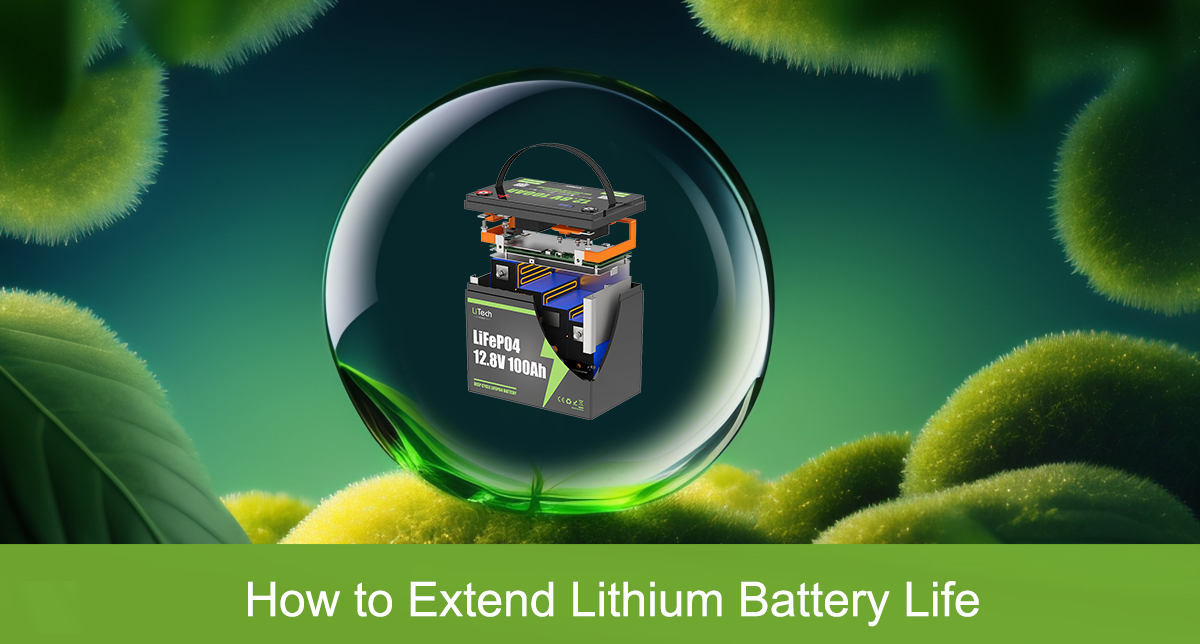
How to Extend Lithium Battery Life
People commonly use lithium batteries in solar energy storage, RVs, boats, electric cars, and home energy systems. They are popular because they are efficient and last a long time. However, the duration of a lithium battery depends greatly on how users use and maintain it.
In this guide, we will share **simple and effective ways to extend the life of a lithium battery**. This will help you get the most value from your investment, extend Lithium battery life.
1. Avoid Deep Discharges Whenever Possible
One of the most important factors affecting lithium battery lifespan is Depth of Discharge (DoD).
- Repeatedly discharging a battery to 100% DoD accelerates aging
- Shallower discharges significantly increase total cycle life
Best practice:
- Keep daily operation between 20%–80% State of Charge (SOC)
- Operating LiFePO4 batteries at 80% DoD can double or triple lifespan
2. Keep the Battery Within the Recommended Temperature Range
Temperature has a major impact on lithium battery performance and longevity, extend Lithium battery life.
- Discharging: -10°C to 50°C (14°F to 122°F)
- Charging: 0°C to 45°C (32°F to 113°F)
- Optimal range: 15°C–25°C (59°F–77°F)
Avoid installing batteries in high-heat or poorly ventilated environments.
Never charge lithium batteries below 0°C unless the system supports heating protection.
3. Use Proper Charging Methods and Equipment to extend Lithium battery life
Incorrect charging is a common cause of premature lithium battery degradation.
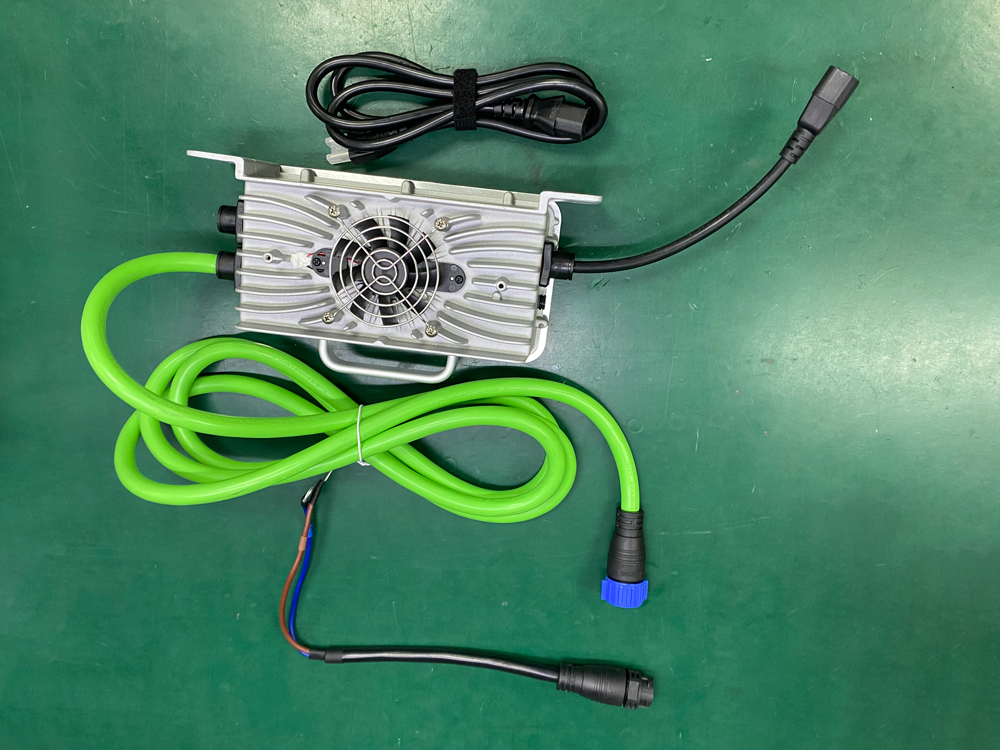
- Use chargers designed specifically for lithium batteries
- Match charging voltage and current to manufacturer specifications
- Avoid unnecessary fast charging
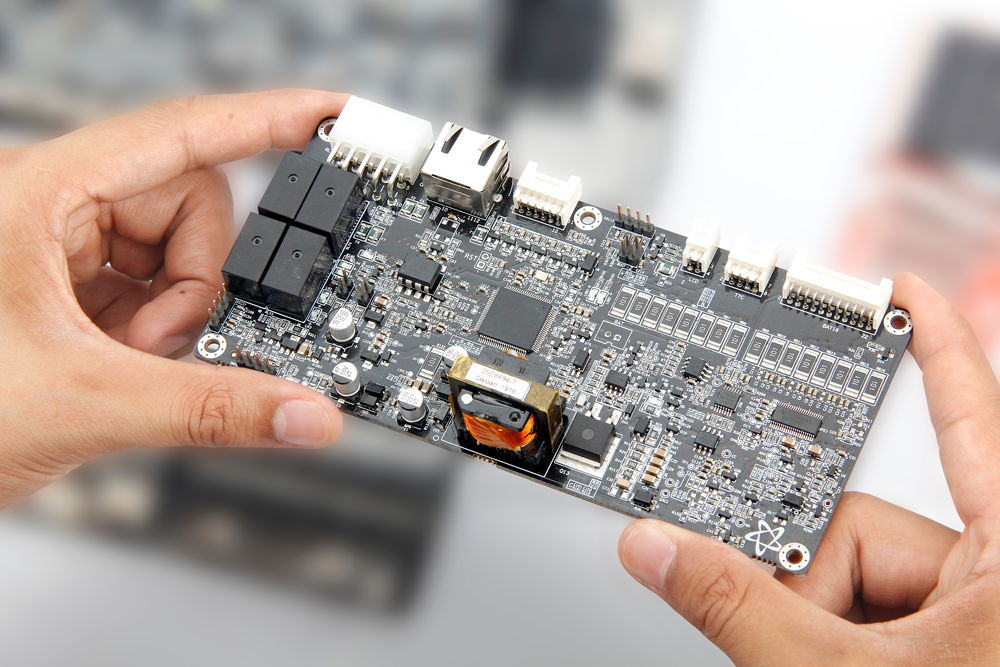
A high-quality Batarya Yönetim Sistemi (BMS) helps prevent overcharge, over-discharge, and cell imbalance.
4. Avoid Long-Term Storage at Full or Empty Charge
Storing lithium batteries at extreme SOC levels accelerates capacity loss.
Recommended storage SOC: 40%–60%
- Store in a cool, dry place
- Check SOC every 3–6 months
- Recharge if SOC drops below 30%
5. Prevent Overloading and High Discharge Currents
Excessive current draw increases internal heat and stresses battery cells.
- Do not exceed the battery’s continuous discharge rating
- Use properly sized cables
- Choose batteries designed for high-power applications when needed
6. Rely on a High-Quality BMS and Battery Design to extend Lithium battery life
Battery lifespan is heavily influenced by cell quality, BMS design, and thermal management.
Well-designed lithium batteries can retain 80% State of Health (SOH) after thousands of cycles.
7. Keep Connections Clean and Secure
Loose or corroded connections can cause voltage drops, localized heating, and reduced efficiency.
- Inspect terminals regularly
- Ensure proper torque on battery connections
- Use corrosion-resistant terminals in marine environments
8. Use Compatible Inverters and System Settings
Ensure inverter charging parameters match lithium battery requirements.
Enable CAN or RS485 communication if supported.
9. Monitor Battery Health Regularly
Monitoring SOC, voltage consistency, current, and temperature helps detect issues early and extend service life.
10. Choose the Right Lithium Battery for the Application
Using the correct battery chemistry is critical.
LiFePO4 batteries are ideal for solar, RV, marine, and home energy storage systems.
Conclusion: Maximize Lithium Battery Lifespan with Smart Use
Extending the life of a lithium battery requires proper charging, temperature control, and smart daily usage habits.
By following these best practices, high-quality lithium batteries can last 8 to 15 years or more. This helps lower replacement costs and makes systems more reliable.
Looking for Long-Lasting Lithium Battery Solutions?
Choose lithium batteries built with Grade A cells, intelligent BMS, and proven performance, these are great for solar, marine, RV, and home energy storage systems.



